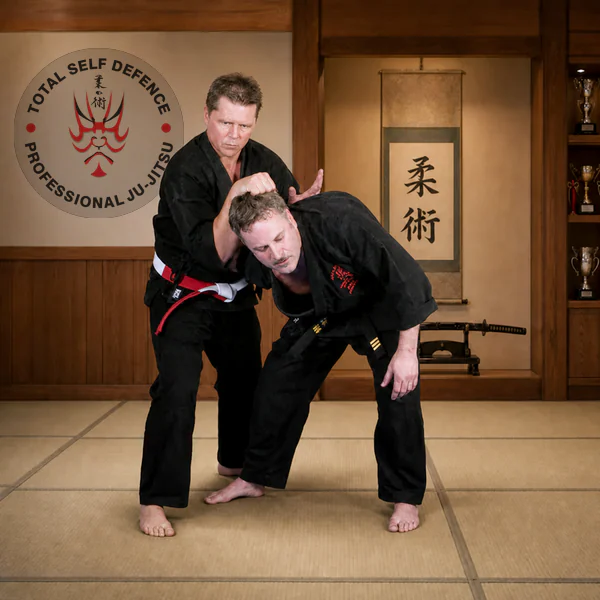
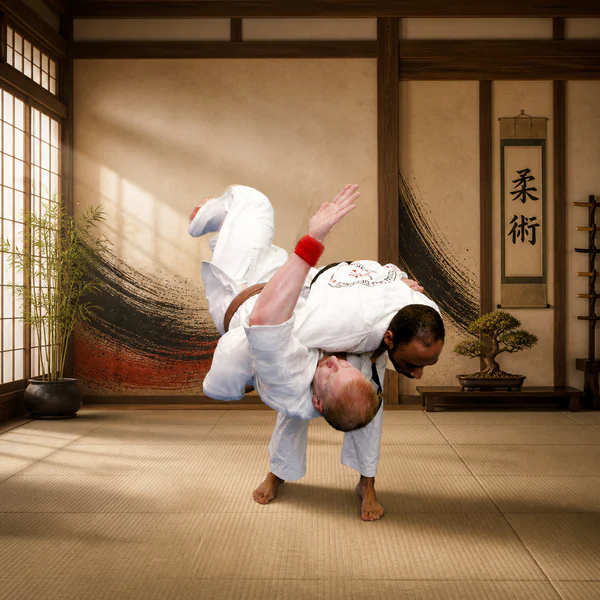
Broad range
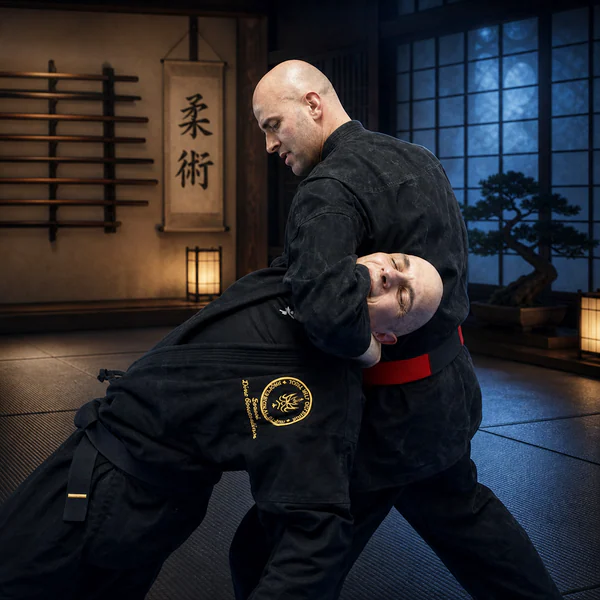
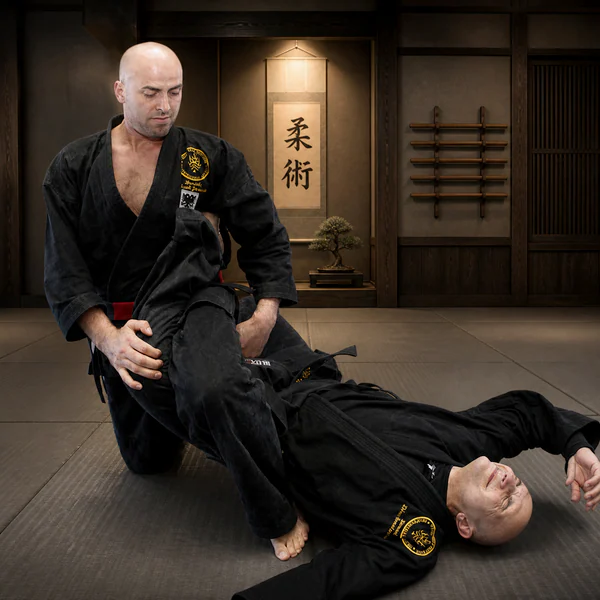
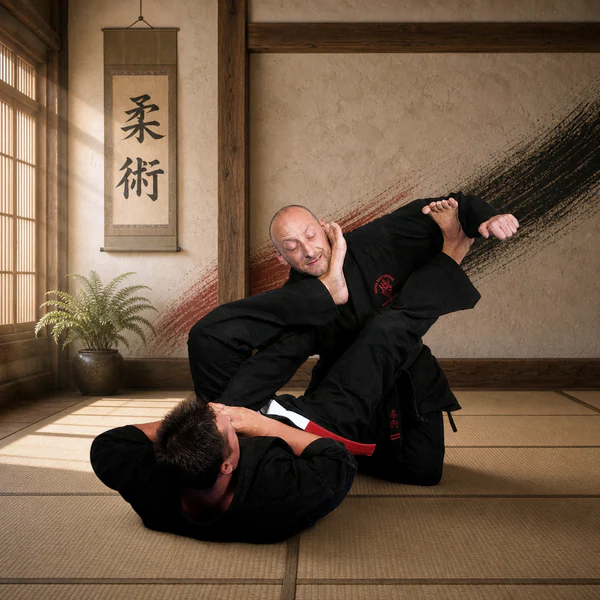
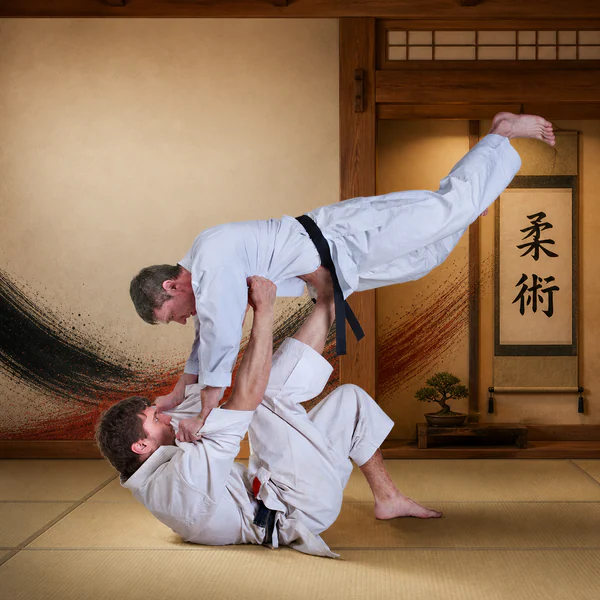
Training can combine movement, strikes, breakfalls, throws, joint controls, escapes and groundwork. The intention is to connect these areas into a practical response rather than isolate one phase of a contest.
Japanese Ju-Jitsu and Brazilian Jiu-Jitsu share part of a family history, but they are not interchangeable names for the same modern practice. This balanced guide explains the main differences so you can choose training that matches your goals.
Understand the names
“Ju-Jitsu”, “Jiu-Jitsu” and “Jujutsu” are different English spellings of a Japanese term. Brazilian Jiu-Jitsu—usually shortened to BJJ—developed into a distinct grappling art and combat sport. Total Self Defence teaches Japanese Ju-Jitsu with practical standing and ground defence.
Training can combine movement, strikes, breakfalls, throws, joint controls, escapes and groundwork. The intention is to connect these areas into a practical response rather than isolate one phase of a contest.
BJJ specialises in clinching, takedowns, positional control and submissions, with much of its technical depth expressed on the ground. Live sparring and competition rules strongly influence modern training.
The TSD syllabus uses traditional principles in a modern teaching environment. Students practise standing and ground situations while learning proportion, control and responsibility for their training partner.
Selected from the official Total Self Defence YouTube channel
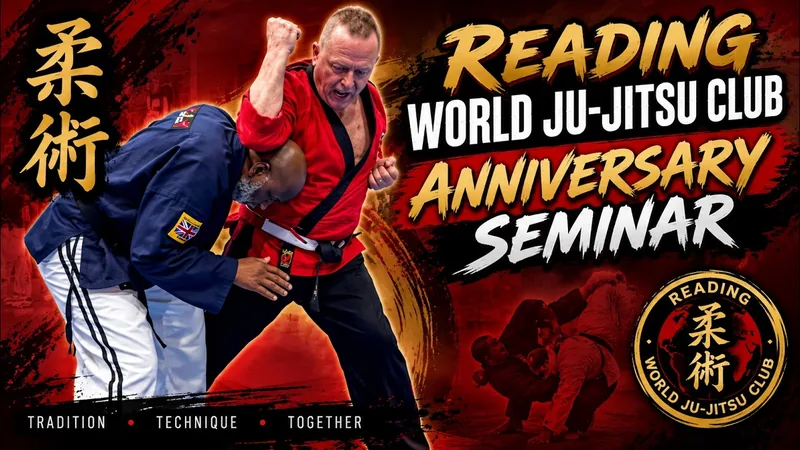 See the breadth of Japanese Ju-JitsuLocks, Throws & Ground WorkThis anniversary seminar shows how standing controls, throws, joint locks and groundwork can form one connected Japanese Ju-Jitsu system.Watch on YouTube
A practical comparison
Individual schools vary, so this table describes common tendencies rather than rigid rules. Visit a class, speak to the instructor and judge the quality of teaching for yourself.
| Training question | Japanese Ju-Jitsu at TSD | Brazilian Jiu-Jitsu |
|---|---|---|
| Primary emphasis | Broad practical self-defence across standing and ground situations. | Grappling, positional control and submissions, often within a sporting framework. |
| Typical techniques | Breakfalls, movement, strikes, throws, locks, escapes, controls and groundwork. | Takedowns, guard work, sweeps, pins, escapes, chokes and joint submissions. |
| Starting position | Many exercises begin standing because everyday confrontations usually do. | Classes include standing work, but a large proportion of training develops on the ground. |
| Rules and competition | Taught primarily as a martial art and self-defence system rather than one competitive ruleset. | Commonly practised as both a martial art and an organised grappling sport. |
| Progress | A structured syllabus and formal gradings assess technical range, control and understanding. | Belt progress commonly reflects grappling performance, technical development and time in training. |
| Best fit | People wanting a varied traditional system with practical self-defence applications. | People wanting deep study of live grappling, positional strategy and submission fighting. |
Standing and ground practice
These six square photographs show the range of locks, throws, controls and groundwork practised within Total Self Defence Japanese Ju-Jitsu.
Choose for your goals
A good school is safe, honest about what it teaches and appropriate for the student. The right choice depends on whether you want a broad self-defence syllabus, a specialist grappling sport, competition, fitness, community—or a mixture of these.
Choose Japanese Ju-Jitsu if you want to study how striking range, gripping range, throws, controls and groundwork connect. TSD classes are designed for practical development rather than preparing exclusively for a sporting match.
Choose BJJ if your priority is extended live grappling and detailed ground strategy. A reputable BJJ academy can provide excellent physical conditioning, pressure-tested positional skills and a clear competitive pathway.
Curious beginners are welcome at TSD even if they have trained elsewhere. The important step is to attend, ask questions and experience how the class is taught.
Our position: this comparison is intended to inform, not diminish another martial art. No style makes a person invulnerable. Awareness, avoidance, proportionate action and responsible training remain essential.
Clear answers before you train
No. They share historical connections, but modern Brazilian Jiu-Jitsu is primarily a grappling sport centred on positional control and submissions. Japanese Ju-Jitsu is a broader family of systems that may include strikes, throws, locks, escapes and groundwork.
Yes. Total Self Defence teaches ground defence and control alongside standing movement, throws, joint controls and strikes. The balance between areas reflects a practical self-defence syllabus rather than a ground-only competition ruleset.
No. Total Self Defence teaches traditional Japanese Ju-Jitsu for practical self-defence and personal development. Some groundwork may look familiar to BJJ students, but the training goals and overall syllabus are different.
The answer depends on the school, instructor and training quality. BJJ develops excellent grappling ability; Japanese Ju-Jitsu aims to cover a wider range of standing and ground situations. Total Self Defence focuses on controlled, practical application rather than claiming that one art solves every problem.
Yes. Previous experience can be useful, but students should arrive ready to learn the Total Self Defence syllabus and its safety conventions. Complete beginners are equally welcome.
Experience the difference in person